
Latest News from BZone
Find updates to our IT Inventory system and customs regulations.
How to Compare ERP-Based IT Inventory Solutions for Indonesian Customs Facilities
Selecting an ERP-based IT Inventory Solution for a facility operating under customs privileges-such as a Bonded Zone (Kawasan Berikat or KB), Special Economic Zone (Kawasan Ekonomi Khusus or KEK), or Bonded Warehouse (Gudang Berikat)-is a critical business decision. Under regulations enforced by the Directorate General of Customs and Excise (DJBC),…
How to Navigate Tariff Classification and HS Code mapping for PMA Companies in Indonesia
How to Navigate Tariff Classification and HS Code mapping for PMA Companies in Indonesia For foreign-invested companies (Penanaman Modal Asing or PMA) operating in Indonesia, accurate Harmonized System (HS) Code classification serves as the foundation of import compliance. Because your company is legally responsible for every declaration filed under its…
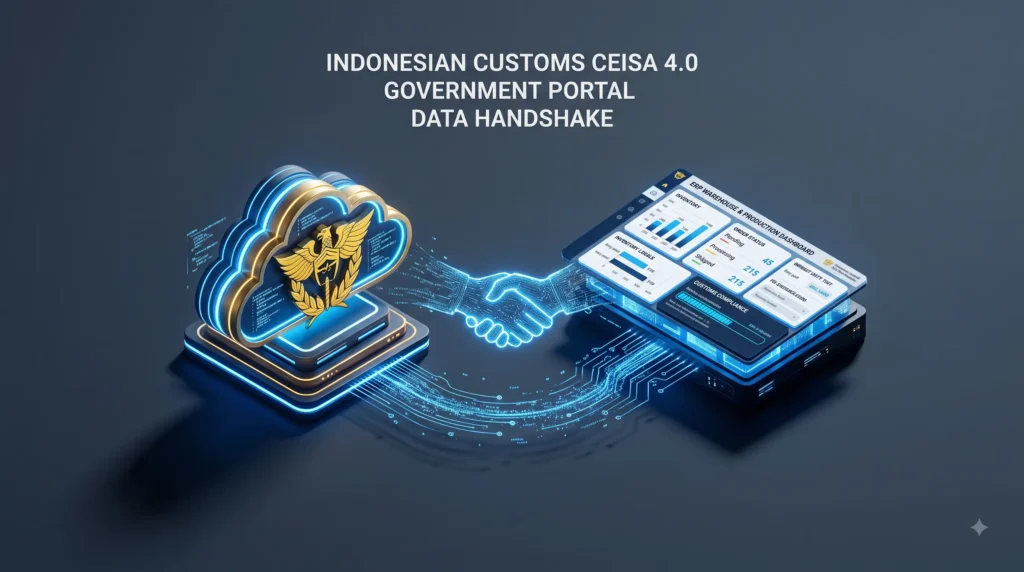
Understanding CEISA 4.0 H2H Host-to-Host Integration for Bonded Zones IT inventory
For companies operating in Kawasan Berikat (Bonded Zones), CEISA 4.0 H2H integration serves as the mandatory digital bridge between internal warehouse operations (IT Inventory) and Indonesian Customs oversight. This centralized ecosystem-Customs-Excise Information System and Automation-enables real-time document submission, tracking, and tax reconciliation for imported goods. What is CEISA 4.0 in…
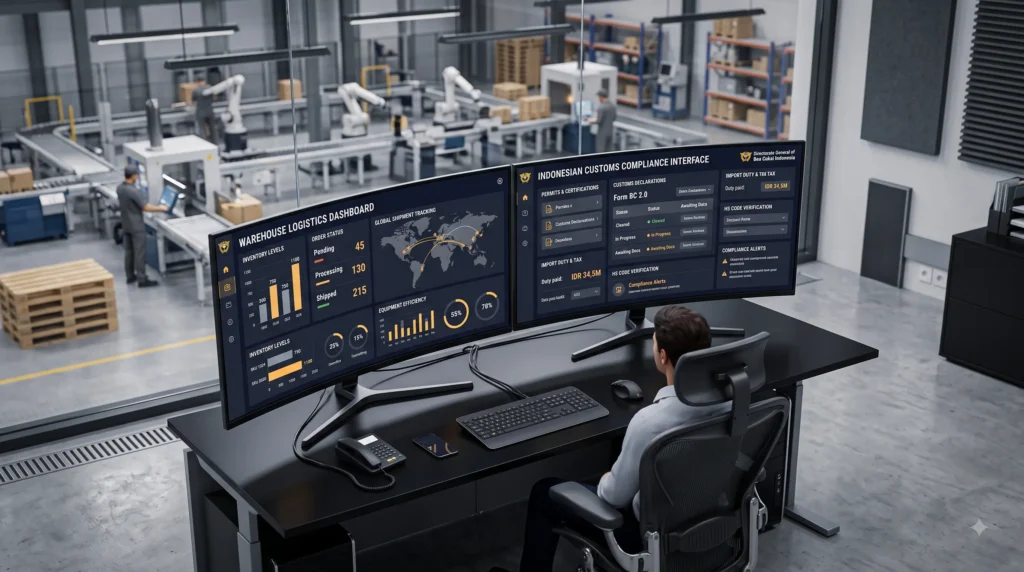
What is an IT Inventory for Indonesian Customs? A Compliance Guide for PMA Companies
What is an IT Inventory for Indonesian Customs? A Compliance Guide for PMA Companies In the context of Indonesian Customs, an “IT Inventory” is not a list of office hardware or servers. Instead, it serves as a mandatory, real-time digital system defined by PMK 131/PMK.04/2018 to track bonded goods-such as…
Mechanisms and Procedures for Uncollected VAT on Deliveries of Taxable Goods and Services in Special Economic Zones
Why Is the Uncollected VAT Facility the Most Vital Cash Flow Incentive in SEZs? The facility for Uncollected Value Added Tax (Pajak Pertambahan Nilai / PPN) or Sales Tax on Luxury Goods (Pajak Penjualan atas Barang Mewah / PPnBM) is one of the primary tax incentives distinguishing Special Economic Zones…
Procedures and Requirements for Goods Transfers and Inter-Entity Transactions Within Special Economic Zones
Why Are Inter-Entity Transactions Within SEZs the Engine of Industrial Efficiency? Transactions and physical goods transfers between Business Entities (Pelaku Usaha KEK) within a single Special Economic Zone (SEZ/KEK) represent one of the primary ecosystem advantages offered by the Indonesian Government. This scheme enables the creation of a fully integrated…
Procedures and Requirements for Manufacturing Raw Material Subcontracting for Foreign Investment (PMA) Factories in Special Economic Zones
Why Is the Subcontracting Scheme a Vital Operational Strategy for PMA Factories in SEZs? Subcontracting is a crucial manufacturing flexibility solution for Foreign Direct Investment (Penanaman Modal Asing / PMA) factories operating in Special Economic Zones (SEZ/KEK). This scheme allows SEZ Business Entities (Pelaku Usaha KEK) to temporarily transfer a…
Regulations and Procedures for Importing Capital Goods / Used Machinery for Foreign Investment (PMA) Factories in Special Economic Zones
Why Is Importing Used Machinery in SEZs a Strategic Option for Foreign Investors? Importing capital goods or used industrial machinery is a strategic decision for many Foreign Direct Investment (Penanaman Modal Asing / PMA) investors establishing manufacturing facilities in Special Economic Zones (SEZ/KEK). This strategy allows companies to reduce initial…
Official Procedures for Factory Scrap/Waste Destruction in Special Economic Zones
Why Must Factory Scrap/Waste Destruction in SEZs Follow Official Customs Procedures? The destruction of production offcuts (scrap), industrial waste, and defective goods (rejected goods) within a Special Economic Zone (SEZ/KEK) is an operational activity tightly bound by customs regulations. Because raw materials imported into an SEZ enjoy Import Duty exemptions…
- « Sebelumnya
- 1
- 2
- 3
- 4
- 5
- Berikutnya »